Buying an RV in Orange County can feel exciting until you realize that most used models carry hidden problems that only show up after you’ve signed the papers. A professional pre-purchase inspection helps you avoid costly surprises by uncovering issues with critical systems before you commit. Understanding what a trained inspector actually evaluates can make the difference between a smart investment and a financial burden.
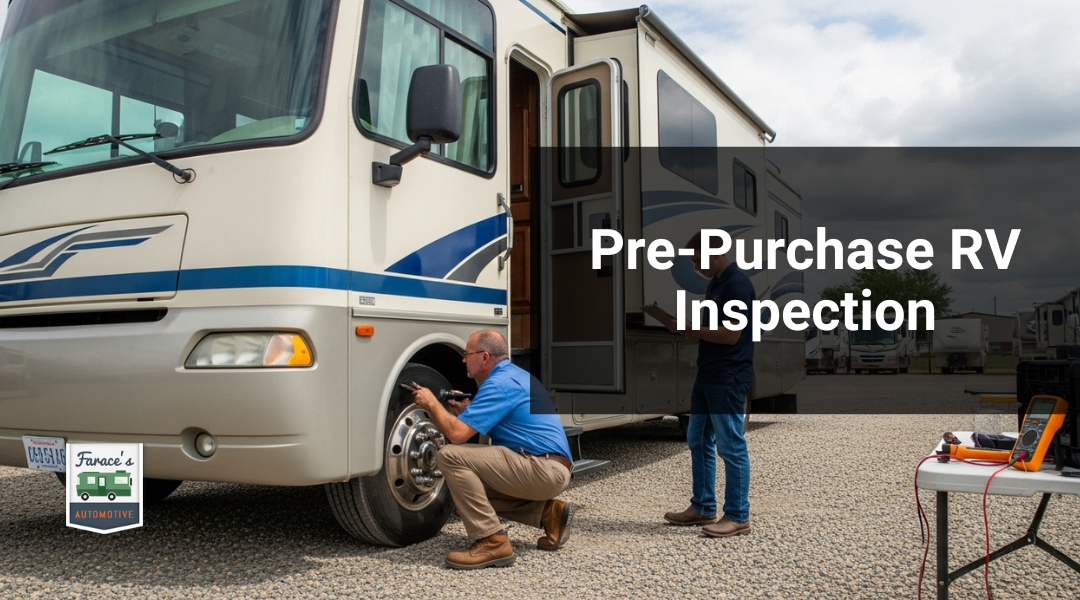
A thorough RV inspection examines over 150 points across mechanical, electrical, plumbing, structural, and safety systems to give you a complete picture of the vehicle’s condition. This process goes beyond a quick walkthrough. Professionals use specialized tools like moisture meters and thermal imaging cameras to detect problems you can’t see with your eyes alone.
The value of an inspection isn’t just about finding defects. It’s about understanding what those findings mean for your safety, budget, and negotiating power. When you know exactly what needs repair and how urgent those repairs are, you can make informed decisions about whether to walk away, ask for a lower price, or request that the seller fix major issues before closing.
The Context Of A Professional RV Evaluation In Orange County
Orange County’s location between the coast and inland areas creates specific inspection conditions that differ from other regions, while the mix of RV types—from small trailers to diesel pushers—requires inspectors who understand varied systems and can identify issues that matter most in local buying decisions.
The Unique Inspection Environment: Coastal Conditions, Regional Standards, And Vehicle Diversity
Coastal humidity in Orange County accelerates rust and corrosion on RV frames, undercarriages, and metal fittings. Your inspector needs to check these areas closely because moisture-related damage often hides beneath surface-level appearances.
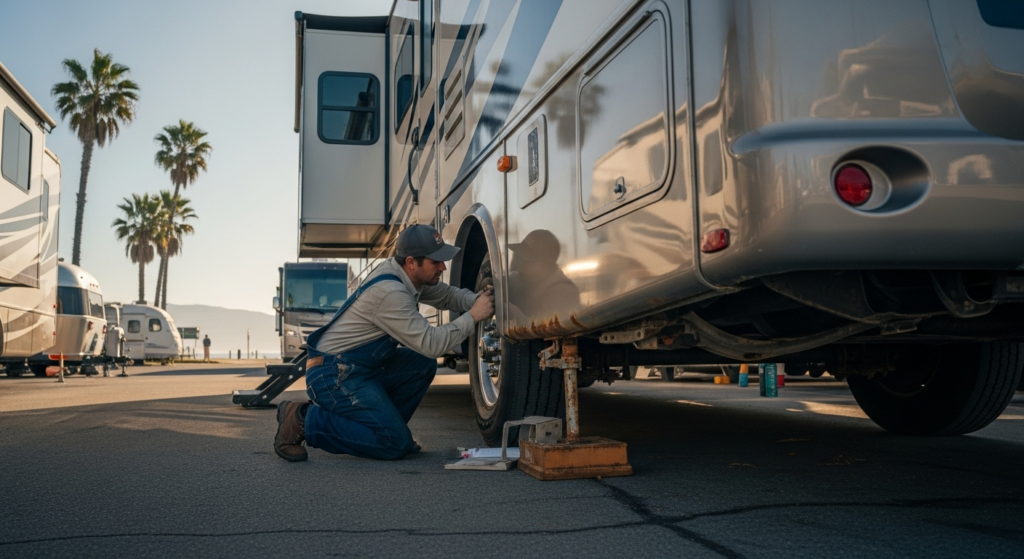
Salt air from nearby beaches affects electrical connections, propane systems, and exterior paint. Inspectors familiar with OC conditions know which components fail first and where moisture typically enters the coach.
The region’s temperature swings—from hot inland summers to cooler coastal evenings—stress roof seams, slideout seals, and HVAC systems. An inspector evaluates whether previous owners maintained these parts properly or if deferred maintenance will cost you thousands.
Orange County hosts everything from vintage Airstreams to modern Class A motorhomes. Your inspector should understand the specific systems in your RV type, whether that’s a towed trailer’s axle assembly or a diesel pusher’s air brake system.
When A Professional Inspection Matters—And When Informal Checks Suffice
You need a professional inspection for any used RV costing over $15,000 or any vehicle with slideouts, diesel engines, or complex electrical systems. These purchases involve enough money and potential repair costs to justify the $300-$800 inspection fee.
Informal checks work for older, simpler trailers under $5,000 where you expect to do repairs yourself. A friend with RV experience can help you spot obvious problems like soft floors, leaking windows, or worn tires.
Consider a professional if you’re buying from a private seller, the RV is over 10 years old, or the seller resists allowing an inspection. These situations increase your risk of inheriting expensive problems.
Skip the formal inspection only if you have mechanical expertise yourself, the RV is nearly new with transferable warranties, or you’re buying it specifically for parts.
The Boundary Between RV Appraisal, Mechanical Inspection, And Compliance Verification
A mechanical inspection examines systems that affect safety and function—brakes, propane lines, electrical wiring, and structural integrity. Your inspector provides a detailed report on current condition and needed repairs.
An appraisal determines market value based on age, condition, and comparable sales. You typically need this for insurance or financing, not for deciding whether to buy.
Compliance verification confirms the RV meets California DMV registration requirements and emission standards. Orange County requires smog checks on motorized RVs, but this happens separately from a pre-purchase inspection.
Most Orange County inspection services focus on mechanical and safety checks. They identify problems that cost money to fix but don’t provide formal valuations or handle registration paperwork. Understanding this distinction helps you hire the right service for your specific need.
Anatomy Of An Inspection: Systems, Structures, And Evidence
A professional RV pre-purchase inspection follows a methodical approach that examines the vehicle as both a transportation system and a livable space. Inspectors evaluate structural components, test functional systems, and document findings using specialized diagnostic equipment.
How Inspectors Interpret The RV As An Integrated Mechanical And Living System
Your RV operates as a complex combination of automotive mechanics and residential utilities. Professional inspectors understand that failure in one system often affects others. The house batteries power slide-outs and stabilizer jacks, while the generator supports air conditioning and electrical outlets.
Inspectors check how systems interact during an rv inspection. They verify that the converter properly charges batteries while shore power runs appliances. They test whether the propane system safely feeds the furnace, water heater, and stove simultaneously.
The inspection process treats your RV as a complete unit rather than separate parts. Water leaks compromise electrical wiring. Frame damage affects slide-out alignment. An inspector tracks these connections to identify current problems and predict future failures. This approach reveals issues that might not appear when examining individual components in isolation.
Structural Integrity Checks: Chassis, Subfloor, Seals, And Frame Stress Points
The chassis receives careful examination for cracks, rust, and stress fractures. Inspectors look at weld points where the house structure attaches to the frame. These areas carry significant weight and experience constant road vibration.
Subfloor inspection involves checking for soft spots that indicate water damage or rot. Inspectors walk through the RV feeling for sections that flex or give under pressure. They pay special attention to areas around slide-outs, entry doors, and bathroom fixtures where leaks commonly occur.
Critical seal locations include:
- Roof seams and joints
- Window perimeters
- Entry door frames
- Slide-out gaskets
- Roof vents and skylights
- External storage compartments
Frame stress points need examination where the RV experiences the most pressure. The hitch area, axle mounting points, and rear bumper attachment show signs of metal fatigue first.
Functional Testing Of Utilities: Electrical Circuits, HVAC Efficiency, Plumbing Systems, And Onboard Safety Mechanisms
Electrical testing covers 12-volt DC systems and 120-volt AC circuits. Inspectors verify that outlets deliver proper voltage and ground connections work correctly. They test the inverter, converter, and transfer switch operation. GFCI outlets near water sources receive specific attention for safety compliance.
HVAC testing measures actual temperature output versus thermostat settings. Inspectors run the air conditioner and furnace through complete cycles. They check airflow from all vents and listen for unusual compressor or blower motor sounds.
The plumbing system gets tested under operating pressure. Inspectors fill the fresh water tank and run all faucets, showers, and the toilet. They examine the water heater for leaks and proper heating. The waste system undergoes checks for proper drainage and seal integrity at dump valves.
Safety mechanisms include propane leak detectors, carbon monoxide alarms, and smoke detectors. Inspectors verify these devices function and have not exceeded their service life. They test the emergency exit windows and door egress operation.
Digital Tools And Diagnostic Patterns Common Among Orange County-Based Inspectors
Moisture meters provide non-invasive detection of water intrusion behind walls and under flooring. Inspectors take readings at multiple points to map moisture patterns. Readings above 20% indicate active leaks or previous water damage.
Thermal imaging cameras reveal temperature variations that suggest insulation gaps, air leaks, or hidden moisture. These cameras help locate problems not visible during standard visual inspection. Orange County inspectors frequently use this technology given the region’s temperature variations between inland and coastal areas.
Standard diagnostic equipment includes:
- Multimeters for electrical testing
- Pressure gauges for water and propane systems
- Infrared thermometers for HVAC performance
- Propane leak detectors
- Digital cameras for documentation
Inspection reports incorporate photos and sensor readings as evidence. This documentation provides you with concrete data during rv pre-purchase inspection negotiations. Inspectors create detailed records that reference specific measurements rather than subjective observations.
Interpreting Findings: Beyond Pass/Fail Assessments
Professional RV inspections deliver nuanced condition reports rather than simple thumbs-up or thumbs-down verdicts. Inspectors use scoring systems, wear patterns, and evidence reconciliation to help you understand what repairs are urgent versus what can wait.
The Logic Behind Inspection Scoring And Condition Grading
Most professional inspectors assign numerical scores or letter grades to individual RV systems. A typical scale runs from 1 to 10, where 8-10 indicates excellent condition, 5-7 shows moderate wear requiring monitoring, and anything below 5 demands immediate attention or replacement.
These scores help you prioritize your budget. A roof rated at 4 means you’ll need $2,000-$4,000 for repairs soon, while a furnace scored at 8 gives you confidence you won’t face unexpected heating failures on your first winter trip.
Grading also reveals the overall quality of the RV. If every system scores 6 or below, you’re looking at a high-maintenance rig that will drain your wallet. Conversely, mostly 7-9 ratings with one or two lower scores point to specific repair needs rather than systemic neglect.
Reading Patterns Of Wear To Infer Owner Maintenance History Or Climate Effects
Experienced inspectors read an RV like a book. Uniform wear across tires suggests regular rotation and proper inflation. Uneven tread patterns tell a story of neglect or alignment issues.
Climate leaves distinct fingerprints. Sun-faded graphics and brittle seals indicate years parked in desert heat without protective covers. Rust concentrated on specific chassis sections reveals long-term storage in humid coastal areas or exposure to winter road salt.
Maintenance patterns emerge through small details. Fresh sealant around vents but cracked caulking elsewhere shows selective repair rather than comprehensive care. Clean engine compartments with dirty holding tank areas suggest owners focused on mechanical reliability but ignored less glamorous systems. These patterns help you predict what failures might come next.
How Professionals Reconcile Conflicting Evidence (e.g., Minor Corrosion Vs. Recent Restoration)
Sometimes inspection findings seem contradictory. You might see fresh paint on exterior panels but water stains inside cabinets. Skilled inspectors dig deeper to explain these discrepancies.
Minor surface rust on a frame doesn’t disqualify an otherwise well-maintained RV. Professionals distinguish between cosmetic corrosion and structural compromise by checking metal thickness and testing for flaking. They’ll note if protective coatings were recently applied, which extends the frame’s useful life.
Recent restoration work requires extra scrutiny. Fresh interior paneling could hide previous water damage rather than eliminate it. Inspectors use moisture meters to check behind new surfaces and verify repairs addressed root causes like leaking roof seams. They’ll document what was fixed and what problems might resurface, giving you realistic expectations about the RV’s true condition despite cosmetic improvements.
Judgment And Value: The Professional’s Internal Framework
A professional RV inspector doesn’t just catalog defects. They translate raw findings into practical assessments about how long components will last, what repairs will cost, and how issues affect resale value.
Translating Mechanical Data Into Expected Lifespan And Resale Relevance
When an inspector finds a water heater with corrosion or an air conditioner that cycles irregularly, they estimate how many months or years you have before replacement. A roof with minor cracking might last two seasons, while a delaminated sidewall could need attention within six months. These timeframes help you budget for repairs.
Inspectors also weigh how defects impact resale value. A worn interior is easy to spot and typically factored into price negotiations. Hidden structural damage or electrical problems are harder for buyers to see, which makes them more costly to disclose later. An inspector notes which issues will hurt your selling position years down the road.
You get context beyond pass-or-fail. The inspector explains whether a problem is common for the RV’s age, whether parts are available, and what repair costs typically run in Orange County.
Tradeoffs: Cosmetic Condition, Functional Durability, And Market Perception
Not all defects carry equal weight. Surface scratches on cabinets don’t affect how the RV functions, but they do change how buyers perceive the unit’s care. A faded exterior suggests neglect, even if the engine runs perfectly.
Inspectors balance three factors:
- Cosmetic condition: Stains, dents, and wear that affect appearance but not operation
- Functional durability: Mechanical and structural issues that impact safety or usability
- Market perception: How visible problems influence buyer confidence and negotiation leverage
A refrigerator that works but looks dated might not need replacement right away. A slide-out with a noisy motor might function fine but signals deferred maintenance to future buyers. Your inspector helps you understand which flaws you can live with and which ones will cost you later.
Professional Neutrality Versus Buyer Interpretation
An inspector reports facts. They document a water pump that draws 15 amps instead of 12, or a leveling jack with visible rust. They don’t tell you whether to buy the RV.
You decide how much risk you accept. Some buyers walk away from any structural issue. Others accept minor problems if the price reflects needed repairs. The inspector’s job is to give you accurate information so you can negotiate effectively or move on.
Inspectors in Orange County typically cost $500 to $1,500 depending on RV size and inspection depth. That fee buys you clarity, not a buying decision.
Consequences Of Precision: How Interpretation Shapes Outcomes
An inspector’s interpretation of what they find determines whether you walk away from a deal, negotiate thousands off the price, or proceed with confidence. The same dent, leak, or rust spot can carry different weight depending on how it’s documented and explained in your inspection report.
Inspection Results As Negotiating Instruments And Liability Boundaries
Your inspection report becomes a legal document the moment negotiations begin. When an inspector notes “minor surface rust” versus “structural corrosion requiring frame repair,” you’re looking at vastly different negotiating positions with the seller.
The specific language used creates clear liability boundaries. If the inspector documents a water stain but doesn’t investigate further, and your RV later reveals extensive water damage, the quality of that original interpretation matters. Detailed reports that specify “further evaluation recommended” protect both you and the inspector.
Key negotiating elements in inspection reports:
- Dollar estimates for identified repairs
- Safety-critical issues requiring immediate attention
- Deferred maintenance items you can address later
- Documentation with photos and measurements
Orange County inspectors who provide repair cost ranges give you concrete numbers to work with. You can request the seller cover critical repairs, reduce the purchase price, or split costs on major systems. Without precise interpretation and documentation, you’re negotiating blind.
The Long-Term Ripple Effects Of Regional Inspection Standards On RV Market Behavior
Orange County’s proximity to desert camping and coastal storage creates specific inspection priorities that affect resale values. Inspectors here focus heavily on corrosion from salt air and UV damage from intense sun exposure. These regional focus areas shape what buyers expect and what sellers must disclose.
RVs with thorough Orange County inspection reports often sell faster and at higher prices. Buyers know these inspections catch region-specific issues like corroded electrical connections from marine air or deteriorated seals from temperature swings.
The market has adapted to expect certain standards. Sellers now preemptively address common inspection findings before listing. This raises the baseline quality of available RVs in the area. When inspectors consistently flag specific issues, the entire local market shifts to address those problems proactively.
Why Two Identical RVs May Not Receive Identical Inspection Conclusions In Orange County
Two 2020 RVs of the same make and model can receive different inspection outcomes based on storage location and usage patterns. An RV stored near the coast will show different wear than one kept inland in climate-controlled storage.
Inspector expertise also varies. One inspector might specialize in motorhome chassis systems while another focuses on travel trailer frame integrity. Their training and experience lead them to examine different aspects more thoroughly.
Factors creating different inspection conclusions:
- Previous owner maintenance habits and documentation
- Storage conditions (covered, uncovered, coastal, inland)
- Usage frequency and type of trips taken
- Inspector’s specialty and certification level
- Specific inspection package purchased
The interpretation of acceptable wear differs between inspectors. What one considers normal aging, another might flag as requiring attention. This is why you should ask potential inspectors about their specific experience with your RV type and what standards they apply when evaluating components.