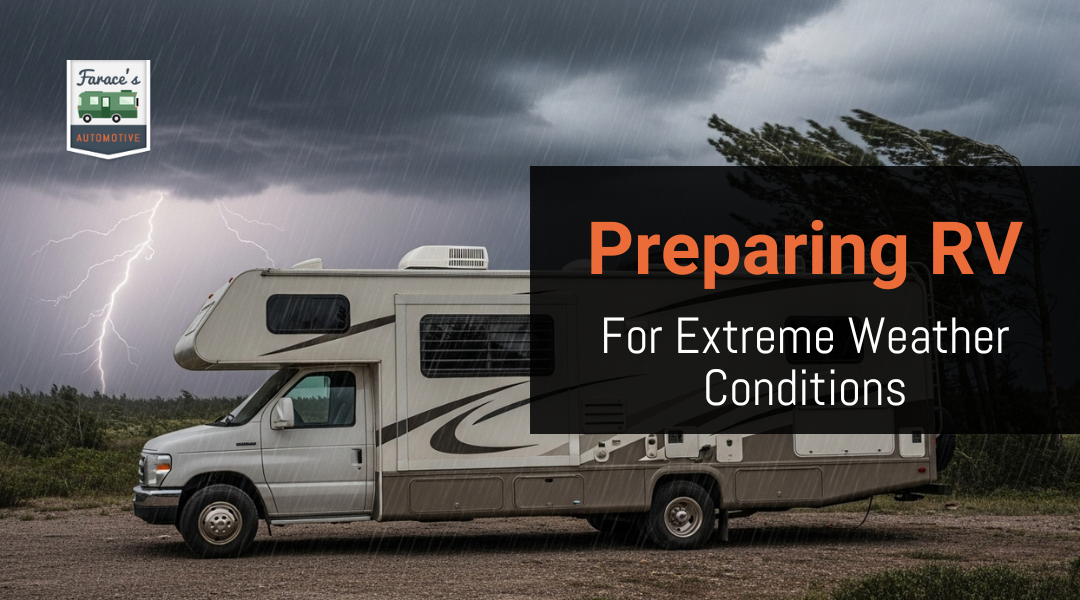
Preparing your RV for extreme weather is essential for ensuring your safety and comfort on the road. Understanding how to protect your vehicle from heavy rain, intense heat, or freezing temperatures can save you from costly repairs and discomfort during your travels. With the right steps, you can enjoy your adventures without worrying about harsh conditions affecting your RV.
At Farace Automotive & R.V. Center, we have years of experience helping RV owners manage the challenges that come with extreme weather. From checking your RV’s roof for leaks to ensuring that your generator is in top shape, our expert team can help you get ready for any situation. You’ll learn key maintenance tips that can enhance your RV’s performance and longevity in tough weather.
Whether you’re bracing for a heat wave or preparing for a winter getaway, taking the time to get your RV ready is crucial. With our guidance, you can protect your investment and make your travels more enjoyable, no matter what Mother Nature throws your way.
Understand the Risks of Extreme Weather for RVs
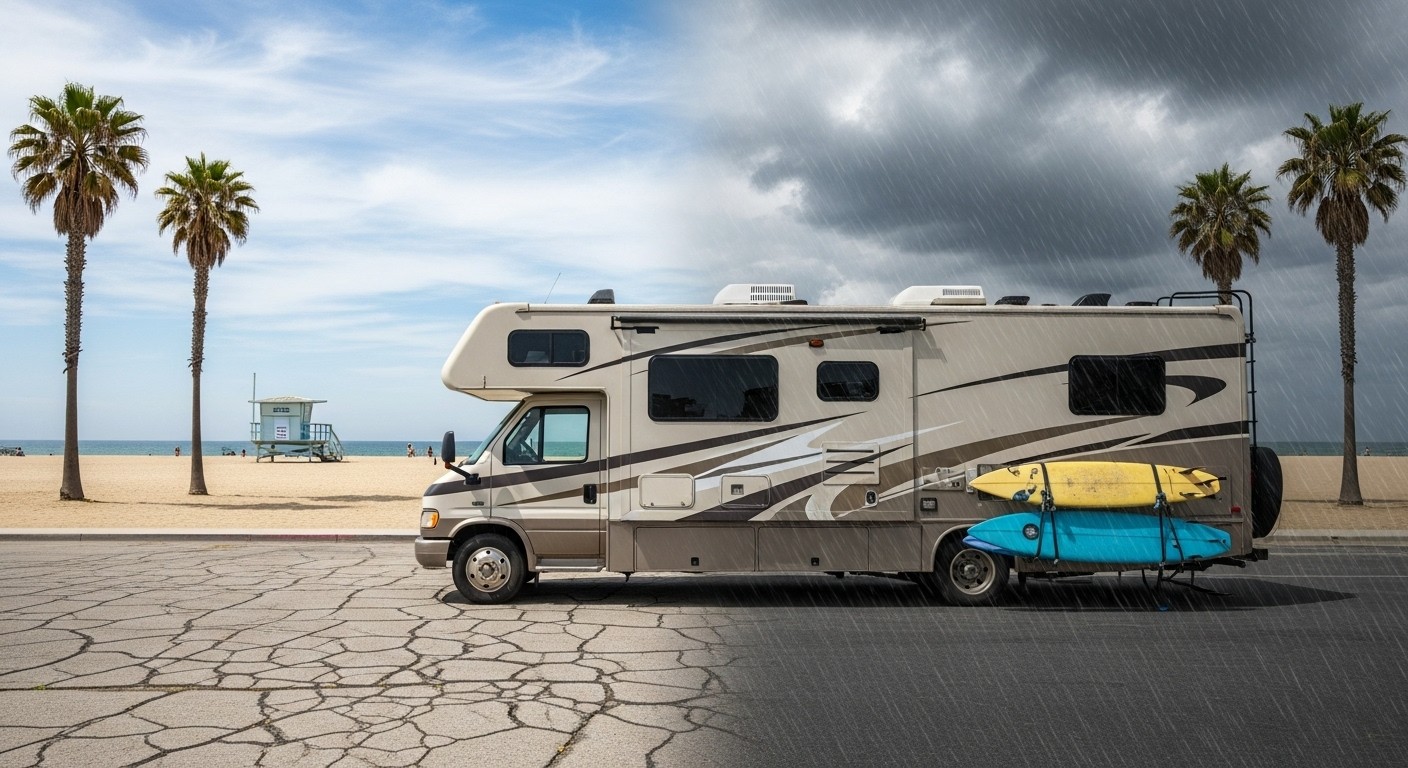
Extreme weather conditions can seriously impact your RV and your travel plans. It’s important to know the common hazards and how they affect your RV’s systems. Being prepared will help you protect your investment and ensure your comfort on the road.
Common Weather Hazards (Heatwaves, Freezing Temps, Storms)
Heatwaves pose a threat to your RV’s interior and outdoor components. High temperatures can lead to overheating engines, damaged air conditioning systems, and sun-bleached exteriors. It’s crucial to park in shaded areas and use reflective covers to protect your RV.
Freezing temperatures can cause pipes to freeze and burst, leading to significant damage. Insulating your water lines and storing your RV in a heated space during winter is advisable. Remember to winterize your RV and use antifreeze in your plumbing system.
Storms such as heavy rain, hail, or high winds can damage your roof, windows, and awnings. Securing your RV and spending time to check for weak spots can prevent costly repairs. Pay close attention to weather alerts and avoid staying in unsafe areas during severe weather.
How Weather Affects RV Components and Systems
Extreme weather can affect various RV systems, including plumbing, electrical, and structural elements. Plumbing is especially vulnerable; freezing temperatures can ruin your water system, while heat can cause your tanks to expand and contract.
Electrical systems are sensitive to heat and moisture. High humidity levels can lead to corrosion on wires and connectors, causing your systems to fail. It’s wise to inspect your batteries and connections regularly to ensure reliability.
Structural integrity is at risk, too. High winds and heavy snow can damage roofs and slide-outs. Regular inspections will help you identify issues before they become major problems. Keeping your RV well-maintained in varying weather conditions is essential.
Regional Considerations for RV Owners in California
As an RV owner in California, you face unique weather challenges. The state often sees extreme heat, especially in the summer months. Always carry plenty of water and keep your air conditioning unit in good working order.
You should also be aware of wildfire risks during dry seasons. Always check local fire restrictions when camping in forested areas. Make sure your RV’s fire safety equipment is up to date.
In the coastal areas, marine weather can bring storms and strong winds. Make sure to adjust your plans based on weather forecasts and follow local guidelines. Staying informed is key to ensuring your RV remains safe and functional in all conditions.
Prepping Your RV for Hot Weather Conditions
When preparing your RV for hot weather, it’s crucial to focus on insulation, maintaining your AC system, managing tire pressure, and protecting your RV’s exterior. Each of these elements plays a key role in keeping you comfortable and safe during your travels.
Insulating the RV to Keep It Cool
Insulation helps maintain a comfortable temperature inside your RV. You can enhance your RV’s insulation by using reflective window covers, which block heat from the sun. Install these on all windows to reduce heat buildup significantly.
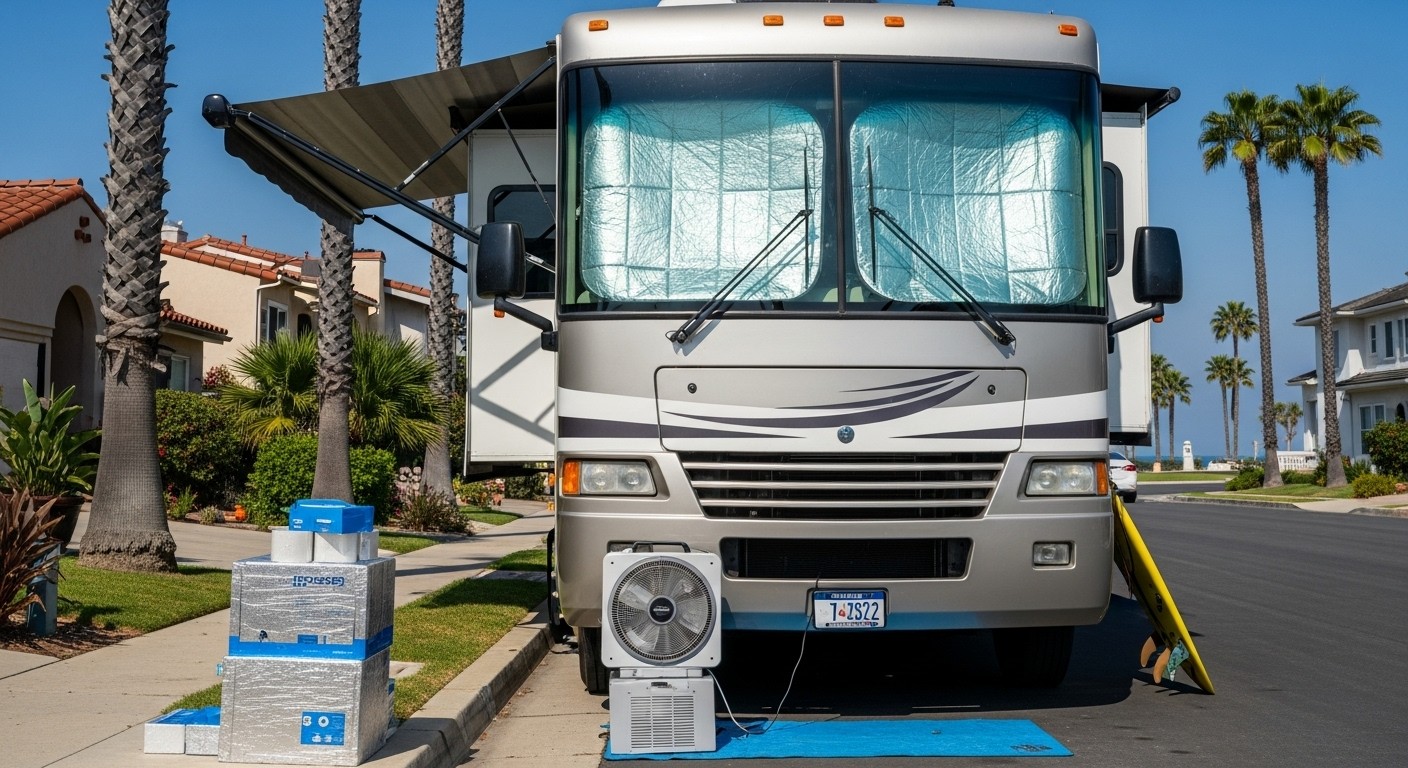
Consider adding insulation panels to doors and walls, especially if you frequently camp in extreme heat. Using thermal curtains can also provide extra shade and decrease interior temperatures.
It’s essential to check for any gaps or cracks where hot air can enter. Sealing these areas with weatherstripping improves your RV’s cooling efficiency.
AC System Check and Maintenance
Your air conditioning system is vital for comfort in hot weather. Before your trip, have your AC unit inspected by a professional. Ensure it is clean and functioning properly.
Change or clean air filters regularly to promote airflow. A clogged filter can reduce efficiency and increase energy consumption.
Check the coolant levels and listen for unusual sounds when the AC is running. If you notice any issues, address them immediately to avoid breakdowns in intense heat.
Managing Tire Pressure in High Heat
Proper tire pressure is critical, especially in high temperatures. Heat can cause tire pressure to rise, which increases the risk of blowouts. Check your tire pressure regularly, ideally before long trips.
Your owner’s manual will provide the recommended pressure. Consider investing in a reliable tire pressure monitoring system for real-time readings.
Keep in mind that tire pressure decreases in cooler weather, so adjust accordingly if conditions change during your travels.
Sun and UV Protection for Seals, Roof, and Exterior
Protecting your RV’s exterior from UV damage is essential for longevity. Apply a UV-resistant sealant to the roof and around windows to prevent leaks.
Use a quality RV cover when parked for long periods under the sun.
Regularly wash and wax your RV to maintain its protective layer against UV rays. Pay special attention to seals, as sun exposure can lead to deterioration.
Taking these steps will help preserve your RV and ensure a more comfortable experience in hot weather.
Preparing Your RV for Cold Weather and Freezing Temperatures
When preparing your RV for cold weather, focus on key areas like plumbing, electrical systems, and heating. Ensuring that these systems are ready can help prevent damage and ensure a comfortable stay during colder months.
Winterizing the Plumbing and Water Lines
To prevent freezing pipes, drain your water system completely. This includes your fresh water tank, gray tank, and black tank. Open all faucets and allow water to run out fully.
Adding antifreeze to your plumbing system is crucial. Use RV-specific antifreeze for this purpose to avoid damage. Pour it into your drainage system and open the taps until you see antifreeze flowing.
Make sure to also insulate any exposed water lines. Use foam pipe insulation or heat tape to provide extra protection against low temperatures. This will help keep your water flowing smoothly.
Battery and Generator Readiness
Cold weather can reduce battery efficiency, so check your RV batteries before winter. Clean any corrosion from the terminals and ensure connections are tight.
Consider switching to batteries designed for cold weather use. These batteries can maintain performance in frigid temperatures. You might also want to keep your batteries on a trickle charger to ensure they remain charged.
For your generator, check the oil and make sure it is winter-grade. Inspect the fuel system and clean the fuel filter. This will help ensure your generator works efficiently when you need it.
Using Skirting and Insulation to Trap Heat
Skirting your RV can significantly reduce heat loss. Install insulated skirting around the base of your RV to minimize cold air that can seep in.
Use materials like foam boards or heavy vinyl fabric. Make sure the skirting is secure to withstand winter storms.
You can also use specialized insulation for your windows. This helps keep the warmth inside and prevents drafts. Look for window films or insulating curtains.
Heating System Inspection and Safety Tips
Before the cold arrives, inspect your heating system thoroughly. Check the furnace, vents, and ducts for any issues. Make sure they are free from debris and functioning properly.
Consider keeping a carbon monoxide detector in your RV. This is crucial for safety when using propane or other fuels for heating.
Always have a backup heating source like a portable electric heater. Ensure that it meets safety standards and is suitable for RV use. Keeping safety as a priority will give you peace of mind to enjoy your winter adventures.
Storm and Rain Preparedness
Preparing your RV for storms and heavy rain is essential to avoid water damage and ensure your safety. Taking the right precautions can save you from costly repairs and make your experience more enjoyable. Here are key areas to focus on.
Inspecting Seals, Roof, and Slide-Outs for Leaks
Begin by thoroughly inspecting the roof of your RV. Look for any cracks, gaps, or wear in the membrane or seams. Use a ladder for better access and visibility.
Pay special attention to the seals around your slide-outs. These seals can wear down, making them vulnerable to leaks. Replace any damaged seals before bad weather hits.
Don’t overlook the windows and doors. Ensure all seals are intact and in good condition. Consider using a sealant to enhance protection against water intrusion. Regular inspections help you catch potential problems early.
Securing Awnings, Antennas, and Loose Items
Strong winds and heavy rain can easily damage unsecure items. Always retract your awnings before a storm. Leaving them out can lead to tearing or breakage.
Check your antennas and make sure they are firmly attached. If possible, lower them to reduce wind resistance.
Lastly, secure any loose items outside your RV. Stow away chairs, tables, and other gear in a storage compartment to prevent them from becoming projectiles. Keeping your area clean helps minimize potential damage.
Emergency Power and Communication Tools
When storms come, power outages are common. Equip your RV with a reliable emergency power source, such as a generator or battery backup. Make sure these devices are in working condition before the storm season.
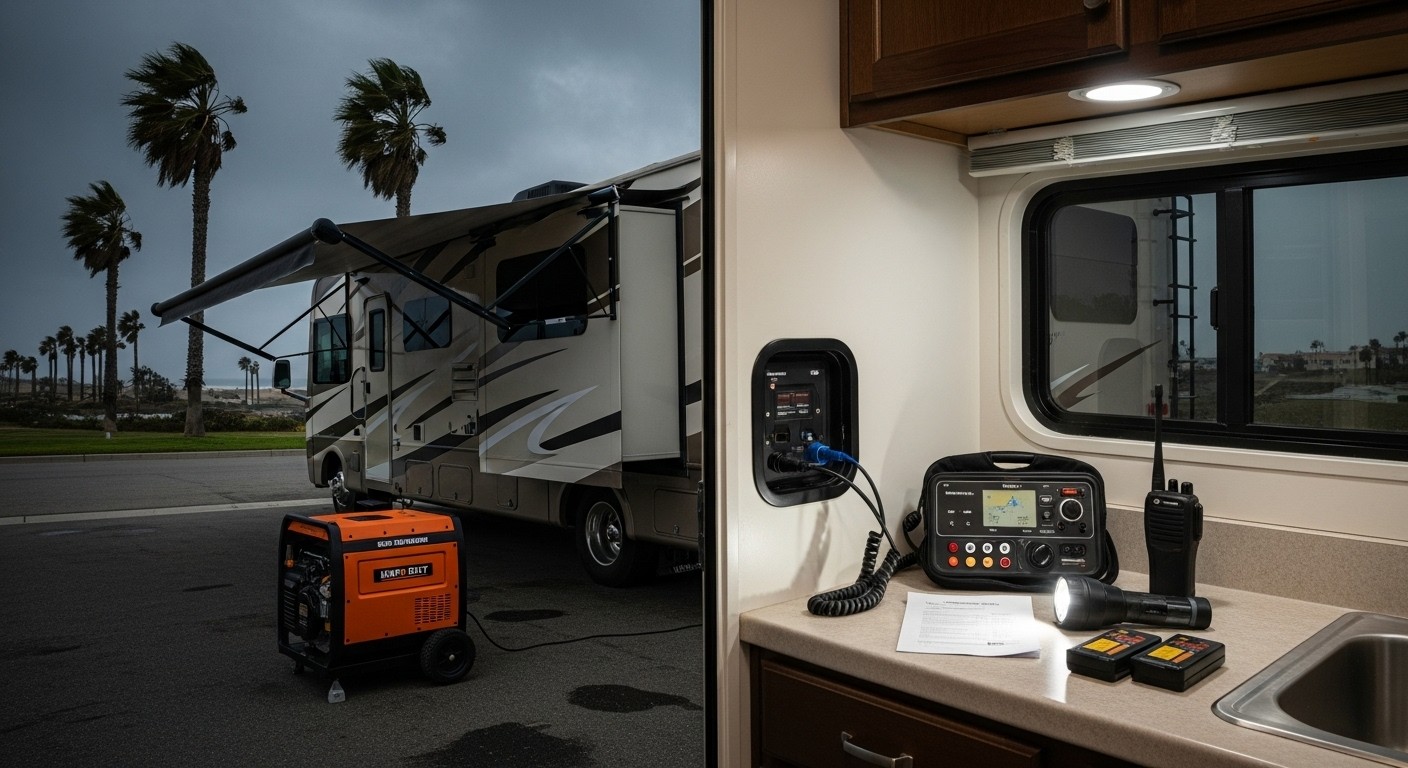
Keep communication devices charged. A portable phone charger can be invaluable. You may also consider a weather radio to receive emergency alerts.
Store a flashlight and extra batteries in an easily accessible location. You should prepare a list of emergency contacts and have it handy in case cell service is interrupted.
Safe Parking and Anchoring Techniques
Choosing the right parking spot is crucial when preparing for bad weather. Always park your RV on level ground, preferably away from trees that could fall during a storm.
If you have the option, find a covered area to shield against heavy rain and hail. If parking on a slope, position your RV so that water drains away from it.
Consider using chalks or wheel chocks for added stability. If strong winds are forecasted, you may want to use straps to secure your RV to the ground. This can help prevent tipping and damage to your structure.
By following these steps, you can significantly reduce the risk of water damage and ensure a safer experience during extreme weather conditions.
Monitoring Systems and Weather Alerts
Staying informed about weather conditions is crucial for your RV trips. Utilizing various monitoring systems and weather alerts can help you prepare for extreme weather situations effectively.
Onboard Weather Monitoring Equipment
Installing onboard weather monitoring equipment can give you real-time data about conditions outside your RV. Devices like weather radios, barometers, and anemometers can provide valuable insights.
- Weather Radios: These radios can receive alerts specifically from NOAA regarding severe weather. Make sure it has a battery backup.
- Barometers: Measuring atmospheric pressure, a barometer can predict weather changes. A drop in pressure often indicates approaching storms.
- Anemometers: If you often camp in windy areas, an anemometer can help you gauge wind speeds that could affect your RV’s stability.
Equipping your RV with the right devices ensures you’re not caught off guard during severe weather events.
Apps and Alerts for Real-Time Conditions
Smartphone apps have revolutionized how you monitor weather conditions while on the road. Many applications offer real-time alerts tailored to your location.
- Weather Apps: Download apps like Weather Underground or The Weather Channel. They provide hourly forecasts and severe weather alerts.
- Alerts: Enable push notifications for immediate updates. Ensure your app settings allow alerts for severe weather, like tornadoes or hurricanes.
- Radar Features: Use radar features to track storm movements in real-time. This will let you change routes or find safe areas to park your RV.
With these tools, you can stay updated and make informed decisions during your travels.
Checking Conditions Before and During Travel
Always check weather conditions before setting off on your trip. This helps in planning your route and avoiding hazardous areas.
- Before Travel: Review weather forecasts for the entire route. Websites like NOAA provide detailed warnings and watches for specific regions.
- During Travel: Regularly check conditions as you progress. Stop at rest areas to access Wi-Fi or use your mobile data to stay connected.
- Local Updates: Pay attention to local radio stations or bulletin boards at campgrounds for last-minute changes in weather conditions.
Staying proactive will help you avoid disruptions during your journey and keep your RV safe.
RV Maintenance Essentials for Weather Protection
Preparing your RV for extreme weather is crucial to ensure your safety and enjoyment. Key maintenance routines can help protect against harsh conditions. Here are essential areas to focus on for proper weather protection.
Regular Roof and Seal Inspections
Your RV’s roof is its first line of defense against the weather. Regular inspections help identify worn-out seals or damages that can lead to leaks.
Inspect the roof for cracks or peeling. Make sure to check seals around vents, windows, and doors. Look for signs of water damage inside your RV as well.
Perform this inspection at least twice a year or after severe weather. If you notice any issues, get them repaired immediately. Consider using products specifically designed for RV roofs to maintain their condition. Investing time in these inspections can save you from costly repairs later.
Checking Ventilation and Exhaust Systems
Proper ventilation is crucial for maintaining a comfortable environment in your RV. Ensure exhaust fans in kitchens and bathrooms are working effective. Check for blockages in vents that could lead to moisture build-up.
Clean air filters regularly to ensure they show good airflow. This will help prevent issues like mold growth, especially in humid conditions.
You should also inspect your propane systems to ensure they function correctly. A thorough check can prevent dangerous situations while on the road or during extreme weather events.
Importance of Routine Checkups at Farace Automotive & R.V. Center
Routine checkups are essential for keeping your RV in top condition. At Farace Automotive & R.V. Center, we offer comprehensive inspections tailored for your RV’s needs.
Schedule regular visits for oil changes and thorough inspections of all major systems. This proactive maintenance helps identify potential issues before they become serious problems.
During your visit, we will check your tires, brakes, and electrical systems as well. Our experienced technicians can provide expert advice on any repairs or necessary upgrades. Regular maintenance can enhance your RV’s durability against harsh weather.
Emergency Supplies to Keep in Your RV
Being prepared for extreme weather is essential when you travel in your RV. Having the right emergency supplies can make a big difference in your comfort and safety. Here are key items to consider for harsh conditions.
Cold Weather Emergency Kit
When temperatures drop, it’s crucial to have a cold weather emergency kit ready. Include items like:
- Warm blankets: Keep several blankets to stay warm if you become stranded.
- Extra clothing: Pack hats, gloves, and thermal layers to help keep your body heat.
- Non-perishable food: Stock up on energy bars, canned goods, and other foods that don’t require cooking.
- Water: Always carry extra water in insulated containers to prevent freezing.
- Hand warmers: Portable heat packs can be lifesavers during freezing temperatures.
Make sure your RV also has antifreeze in the plumbing system to prevent line bursts.
Heat and Fire Emergency Supplies
In hot weather, staying cool and safe is important. Have these supplies on hand:
- Portable fan: A battery-operated fan helps circulate air in a hot RV.
- Coolant: Regularly check your vehicle’s coolant levels to prevent overheating.
- Fire extinguisher: Keep a fully charged extinguisher accessible to quickly handle fires.
- Smoke and carbon monoxide detectors: Ensure these devices are functional to alert you to dangers.
- First-aid supplies: Keep a comprehensive first-aid kit for any injuries that could occur.
These items can protect you from extreme heat and fire hazards.
Tools for Quick Repairs and Safety
Preparedness also includes having the right tools for quick repairs. Consider having:
- Jack and spare tire: For changing flat tires, these tools are essential.
- Lug wrench: A standard tool for tire changes, keep one that fits your RV.
- Duct tape: This versatile tool can temporarily fix leaks or secure loose items.
- Multi-tool: A handy gadget that includes various functions, useful for small repairs.
- Tow straps: Useful if your RV gets stuck or needs a tow.
These tools will help you handle common issues on the road safely.
Why Choose Farace Automotive & R.V. Center in Huntington Beach
When preparing your RV for extreme weather, choosing the right service provider is essential. Farace Automotive & R.V. Center offers specialized knowledge and comprehensive services tailored to meet the unique challenges of California’s climate. Here are the key benefits of working with us.
Local Expertise in California Weather Challenges
California’s weather can be unpredictable, affecting your RV’s performance and longevity. At Farace Automotive & R.V. Center, our team understands the local climate nuances, from coastal humidity to inland heat.
You receive tailored advice for your RV, ensuring that it’s equipped to handle heavy rains, strong winds, and blistering sun. Our expertise helps you make informed decisions on weather-related upgrades and maintenance. We know which components are vulnerable and require more attention based on the weather patterns in your area.
Whether you plan to go to the beach or the mountains, you can trust us to help you prepare effectively for any weather condition.
Full-Service RV Inspection and Weatherproofing
Your RV’s safety starts with a thorough inspection. At Farace Automotive & R.V. Center, we provide complete RV inspections focusing on weatherproofing.
Our detailed checks cover vital areas, such as seals, roofs, and slide-outs, to prevent leaks and damage. Our trained technicians identify potential issues before they escalate, helping you avoid costly repairs.
After inspection, we offer weatherproofing services, including applying high-quality sealants and coatings. These measures ensure your RV stands strong against rain and wind, providing peace of mind during your trips.
Personalized Maintenance Plans for Year-Round RV Care
Every RV owner has unique needs. At Farace Automotive & R.V. Center, we recognize this and offer personalized maintenance plans customized for your RV.
Your plan includes scheduled inspections and specific weather-related preparations tailored to your RV and usage patterns. Regular check-ups are crucial to maintaining your RV’s integrity in changing weather conditions.
You’ll receive reminders for service appointments and recommendations for seasonal preparations, ensuring that your RV remains in top shape year-round. Our goal is to make RV ownership worry-free, allowing you to focus on your adventures.