Buying a used RV in coastal California requires different evaluation criteria than purchasing the same vehicle inland. Salt air, ocean humidity, and marine environments accelerate corrosion and create water intrusion pathways that standard inspections often miss. The combination of salt damage, compromised roof systems, and hidden moisture infiltration represents the three most common—and most expensive—problems facing used RV buyers in areas like Huntington Beach, Orange County, and other coastal communities.
These issues frequently hide beneath cosmetic surfaces, making them difficult to detect without understanding how coastal conditions affect RV structures over time. A vehicle that appears well-maintained externally may harbor significant corrosion in chassis components, electrical systems, and frame assemblies. Roof damage that seems minor can indicate extensive water pathways through walls, insulation, and subfloors that compromise structural integrity and create safety hazards.
Understanding the specific red flags associated with coastal RV ownership protects you from purchasing a vehicle with hidden damage that could cost thousands in repairs. This guide examines how salt and moisture interact with RV materials, what warning signs indicate existing or developing problems, and how to interpret evidence that sellers may overlook or deliberately conceal.
The Coastal Context: Why Environment Alters Risk
Coastal California’s marine environment accelerates RV deterioration through salt exposure, moisture intrusion, and UV intensity that standard inland wear patterns don’t predict. The proximity to ocean spray creates distinct damage signatures that differ fundamentally from typical road use.
Ocean Proximity as a Mechanical and Chemical Stressor
Salt air carries sodium chloride particles that settle on every exposed surface of your RV. These particles absorb atmospheric moisture and create an electrolyte solution that promotes corrosion on metal components, even when the vehicle appears dry. The process attacks aluminum framing, steel fasteners, slide-out mechanisms, and electrical connections with particular intensity.
Coastal RVs face constant exposure to this corrosive environment whether parked or traveling. The salt penetrates seams, collects in crevices, and works beneath protective coatings through microscopic openings. Within months, this exposure can compromise structural integrity in ways that take years to manifest in desert or mountain environments.
Paint oxidation occurs faster near the ocean due to combined salt and UV exposure. The sun opens pores in gel coat and paint finishes, allowing salt-laden moisture to penetrate deeper into the substrate. This combination destroys protective layers and accelerates the breakdown of fiberglass and composite materials common in RV construction.
Distinguishing Coastal Degradation from Normal Road Wear
Road wear appears as uniform surface damage—scratches, rock chips, and general weathering distributed across the RV exterior. Coastal degradation shows concentrated corrosion around fasteners, weep holes, and seams where salt water accumulates and evaporates repeatedly.
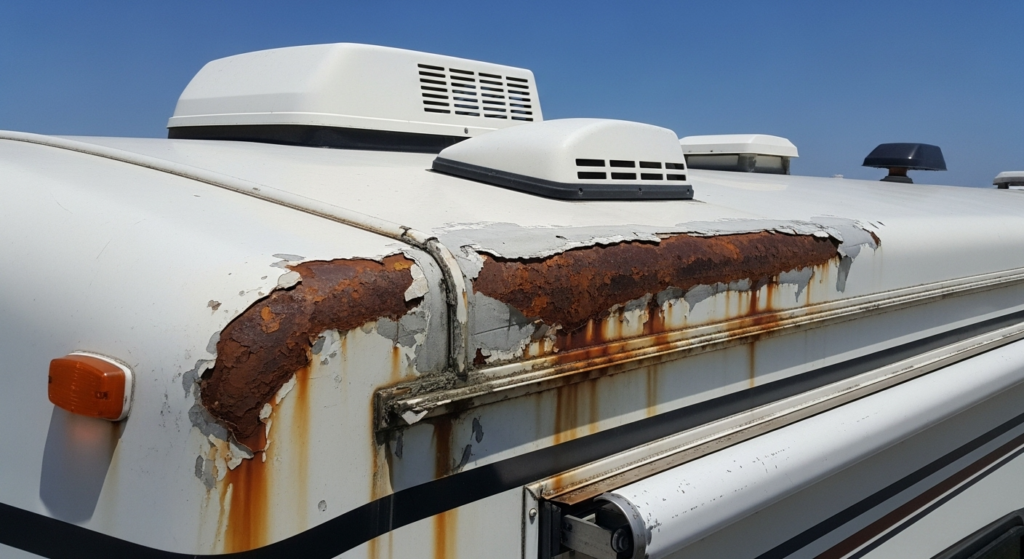
Check metal components for white, powdery deposits or brown rust staining that bleeds onto adjacent surfaces. These patterns indicate active corrosion from salt exposure rather than age-related deterioration. Coastal RVs often show greenish corrosion on copper wiring and white corrosion on aluminum frames while the paint still looks acceptable.
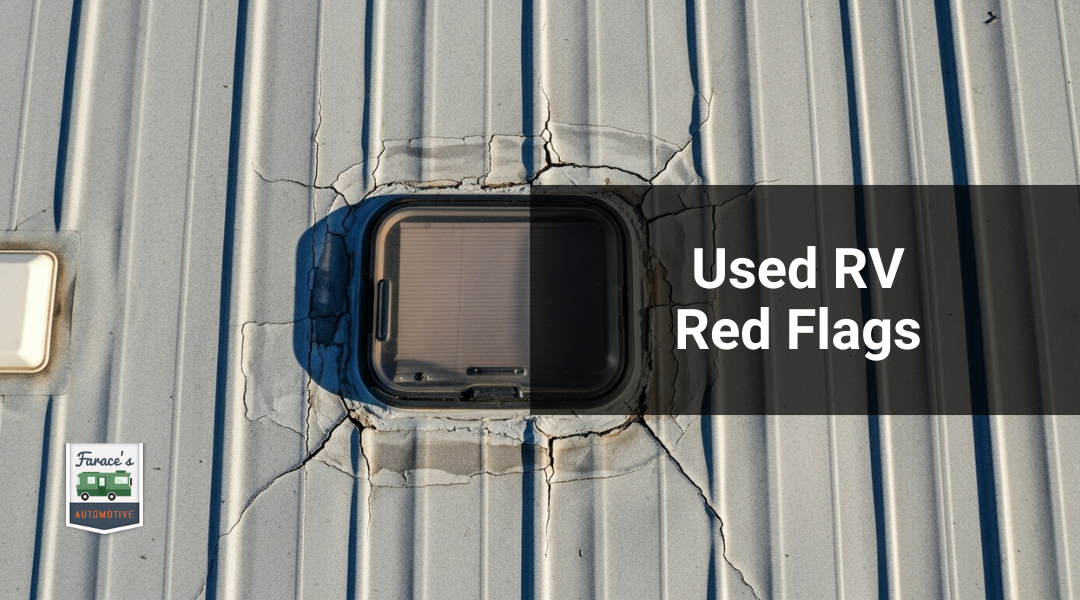
Roof damage from coastal storage differs from impact damage. Salt weakens roof membrane adhesion and causes premature cracking around vents and AC units. You’ll find bubbling or delamination starting at edges and seams rather than isolated impact points.
When Climate Exposure Matters Most: Storage Habits, Travel Routes, and Material Mixes
Storage location determines exposure intensity:
- RVs stored within 5 miles of the coast receive direct salt spray
- Covered storage reduces but doesn’t eliminate salt accumulation
- Seasonal storage during winter storms increases corrosion rates
Your RV’s travel history matters as much as current location. Units that regularly traveled coastal highways accumulated years of salt exposure even if currently stored inland. Ask sellers for specific route information and whether the RV was rinsed after coastal trips.
Material combinations create corrosion vulnerabilities. Aluminum-framed RVs with steel fasteners suffer galvanic corrosion in salt environments. Older models with less corrosion-resistant hardware show accelerated deterioration. RVs manufactured after 2015 generally incorporate better coastal-resistant materials, though budget models still use vulnerable components.
The Mechanisms Behind Salt and Moisture Damage
Salt particles in coastal air initiate electrochemical reactions that degrade metal components, while moisture accelerates both corrosion and the breakdown of rubber seals and adhesive bonds. These processes work together to create pathways for water intrusion that compound structural decay throughout an RV.
Electrochemical Processes Driving Corrosion in Chassis and Undercarriage Metals
Salt particles contain sodium chloride, which acts as an electrolyte when combined with moisture on metal surfaces. This creates galvanic cells where electrons flow between different areas of the same metal or between dissimilar metals in contact.
The oxidation process occurs when iron atoms lose electrons and form iron oxide (rust). Salt accelerates this reaction by increasing electrical conductivity between the anode and cathode areas on metal surfaces. The process continues beneath the surface even after visible rust appears.
Metals most vulnerable to galvanic corrosion:
- Steel frame rails and chassis components
- Aluminum body panels and trim
- Copper electrical connections
- Zinc-coated fasteners and hardware
Steel undercarriage components face constant exposure to salt spray from road surfaces and ocean air. The corrosion rate increases significantly when relative humidity exceeds 60%, which is typical in coastal California. Frame rails and cross members develop pitting and scaling that weakens structural integrity before visible damage appears on exterior surfaces.
How Salt Accelerates Seal Fatigue and Panel Separation Over Time
Salt deposits draw moisture through osmotic pressure, creating constant wetness at seal interfaces. This moisture causes rubber seals around windows, doors, and roof penetrations to lose elasticity and crack. The degradation occurs faster than normal UV damage alone would cause.
Adhesive bonds between panels and trim pieces break down when salt-laden moisture penetrates the bond line. The salt crystals physically separate bonded surfaces through expansion and contraction cycles during temperature changes. You’ll notice trim pieces becoming loose or gaps appearing where panels once sat flush.
Common seal failure points:
- Window frame perimeters
- Slideout room seals
- Roof vent gaskets
- Entry door weather stripping
The combination of salt and moisture also affects butyl tape and Dicor sealants used in RV construction. These materials become brittle and lose adhesion, creating pathways for water intrusion that spread beyond the original seal location.
The Role of Airflow, Condensation, and Micro-Leaks in Compounding Hidden Decay
Inadequate ventilation traps moisture inside wall cavities and storage compartments where salt-laden air has penetrated. This creates ideal conditions for corrosion and mold growth in areas you cannot easily inspect. The trapped moisture condenses on cooler metal surfaces during temperature drops.
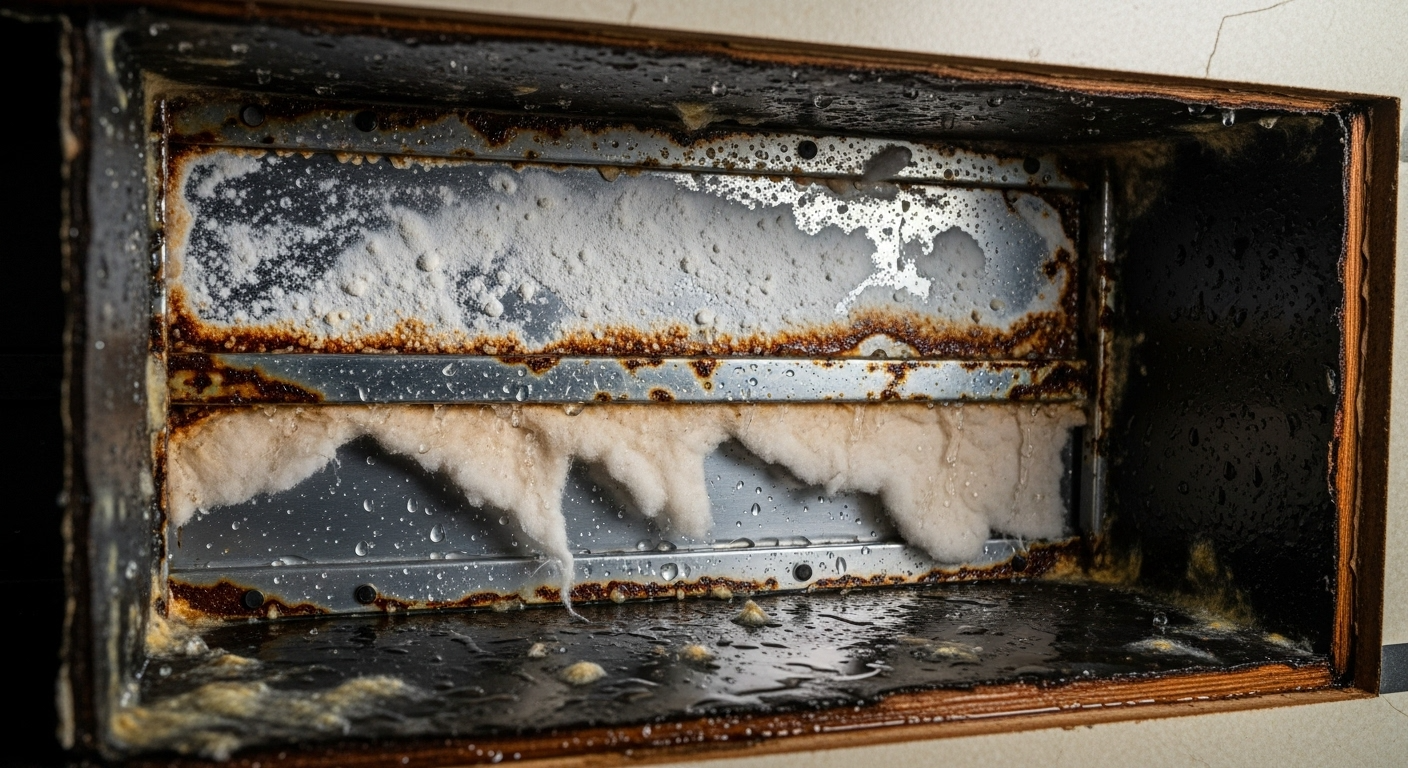
Micro-leaks from compromised seals allow water droplets to enter wall assemblies and insulation spaces. These small amounts of water seem insignificant but accumulate over time, saturating insulation and contacting internal metal framing. The moisture wicks along insulation fibers and wooden components, spreading decay far from the entry point.
Salt particles that enter through micro-leaks remain trapped inside wall cavities. They continuously attract moisture from humid air, maintaining corrosive conditions even during dry weather periods. This hidden process damages internal frame members and electrical wiring without producing visible exterior signs until substantial deterioration has occurred.
Roof Systems and Water Pathways: Reading Structural Evidence
Coastal RVs develop specific leak patterns based on membrane type and salt exposure, and water follows predictable paths through sidewalls and framing once it penetrates. Understanding these patterns helps you distinguish between active problems, old damage, and attempted cover-ups.
Roof Membrane Types Common in Coastal RV Fleets and Their Failure Patterns
EPDM rubber roofs are common on older RVs and typically fail at the seams and around penetrations where coastal UV and salt accelerate degradation. You’ll see chalking, cracking along stress points, and separation at lap joints after 10-15 years of ocean air exposure.
TPO roofs offer better UV resistance but still fail at mechanical fasteners and edge terminations in salt environments. The white surface shows dirt accumulation patterns that reveal where water pools, and the material becomes brittle around roof-mounted fixtures.
Fiberglass roofs resist salt well but develop stress cracks at mounting points and along body flex zones. Look for spiderweb cracking near air conditioners, vents, and antenna mounts where movement concentrates stress. These cracks allow direct water entry into the roof substrate.
How Inspectors Trace Water Migration: From Roof Seams to Wall Cores
Water entering at roof level follows gravity and capillary action through specific pathways in RV construction. It runs along roof supports, drops into wall cavities at the roof-to-wall junction, and spreads horizontally through insulation and wiring channels.
Inspectors check directly below all roof penetrations and follow the drip line down. They probe walls at corners where two planes meet, as water concentrates at these junctions. Delamination in sidewalls often appears 12-24 inches below the actual entry point.
Floor soft spots near exterior walls indicate water has traveled the full height of the wall cavity. The carpet or flooring may feel spongy while the visible wall looks fine. Inspectors also check cabinets mounted to exterior walls, where backs show water staining before interior surfaces do.
The Interpretive Difference Between Staining, Active Leaks, and Past Repairs
Active leaks show wet material, fresh water marks, and musty odors. You’ll find moisture with a meter reading above 20%, and materials feel damp or cold to touch. Mold growth appears as black or green spots with fuzzy texture.
Old staining presents as brown or yellow discoloration on dry materials. The wood or fabric is firm, and moisture readings stay below 15%. These marks indicate previous water intrusion that has dried, but don’t confirm the leak is fixed.
Past repairs include fresh sealant, new screws with different finishes, paint that doesn’t match, or replaced panels. Sellers often reseal everything before listing, which hides evidence. Look for multiple sealant layers, different sealant colors, or excessive caulking that suggests repeated attempts to stop leaks.
Interpreting Red Flags: Signs, Signals, and the Judgment Gap
Coastal California RVs accumulate visual wear that may appear alarming without signaling mechanical failure, while genuinely harmful damage sometimes hides beneath superficial conditions. The distinction requires understanding corrosion patterns specific to salt air exposure, recognizing maintenance gaps versus normal weathering, and applying regional context to condition assessments.
Why Visible Corrosion Doesn’t Always Signal Functional Loss—And When It Does
Surface rust on steel fasteners, hinges, and ladder rungs frequently appears on coastal RVs without compromising structural integrity. This oxidation forms a protective layer that stabilizes rather than progressing into deep material loss. You’ll see orange discoloration on screws holding trim pieces or minor pitting on aluminum window frames that poses no safety risk.
Critical corrosion presents differently. Look for flaking layers on frame components, battery boxes with structural weakness when pressed, or propane lines showing green copper corrosion. Water heater tanks exhibiting rust breakthrough indicate imminent failure rather than cosmetic aging.
Functional warning signs:
- Weight-bearing bolts reduced in diameter
- Brake assemblies with rust affecting movement
- Electrical connections showing white or green powder buildup
- Axle components with scaling rust patterns
The location matters as much as appearance. Corrosion on decorative elements rarely affects operation, while the same degree on safety equipment demands immediate attention.
The Reasoning Process Behind Differentiating Manageable Aging from Concealed Neglect
Routine coastal wear creates predictable patterns. Exposed metal shows uniform surface oxidation. Seals and gaskets develop slight brittleness. Clear coat on fiberglass may dull evenly across sun-facing panels.
Neglect leaves different evidence. You’ll find water stains radiating from a single leak point rather than distributed weathering. Interior soft spots indicate prolonged moisture intrusion, not simple age. Check whether maintenance items show replacement evidence—new caulking beads, recent seal installations, updated components.
Missing maintenance records combined with visual deterioration suggests concealed problems. A 2019 RV with original tires, factory batteries, and dried gaskets indicates an owner who ignored preventive care. That same year with documented seal replacements and component upgrades shows responsible coastal ownership.
Compare wear across similar surfaces. If one slide-out shows excessive corrosion while others remain clean, investigate why that specific area received different exposure.
How Professionals Weigh Regional Norms Versus Ideal Mechanical Condition
Experienced coastal RV inspectors expect certain conditions as normal. Light oxidation on outdoor fixtures, faded decals, and minor aluminum corrosion fall within acceptable parameters for units stored near salt air. They account for accelerated UV damage and moisture exposure when evaluating overall condition.
However, regional tolerance doesn’t excuse mechanical deficiencies. Professionals distinguish between cosmetic adaptation to environment and systems requiring intervention. Your roof membrane should remain intact regardless of location. Slide mechanisms must operate smoothly whether stored inland or coastal.
Assessment criteria professionals use:
- Comparing similar-age units from the same region
- Testing actual component function beyond appearance
- Identifying whether damage progresses actively or remains stable
- Measuring against manufacturer specifications for critical systems
A Monterey Bay area RV showing typical coastal patina but passing operational tests rates higher than a pristine-looking unit from Bakersfield with hidden roof delamination. Functionality trumps appearance when regional context explains cosmetic issues.
Regional Consequences: Ownership, Value, and Longevity
Coastal California’s marine environment directly impacts what you’ll pay for a used RV, how often you’ll need to service it, and whether seemingly minor flaws will compound into structural failures. Salt and humidity create distinct ownership patterns that differ from inland markets.
How Coastal Wear Influences Price Realism and Resale Conversations
RVs stored near the coast typically carry 15-25% lower resale values compared to identical models maintained inland. Salt corrosion on frames, axles, and undercarriage components becomes a negotiating point that savvy buyers leverage during inspections.
You’ll notice coastal sellers often price units aggressively to offset visible oxidation on aluminum trim, corroded propane fittings, and weathered exterior graphics. These cosmetic markers signal deeper concerns to informed buyers. When you’re evaluating a coastal RV, documentation of regular washing and undercarriage treatments can partially justify higher asking prices.
Coastal-specific damage that affects resale includes:
- Pitted chrome fixtures and corroded hitch assemblies
- Faded fiberglass gel coat from UV and salt spray
- Compromised roof membrane seams from thermal cycling in humid air
- Rust bloom on steel frame components despite protective coatings
Buyers from inland regions often avoid coastal units entirely, shrinking your potential resale pool. This geographic stigma persists even when maintenance records demonstrate proper care.
Maintenance Rhythms Shaped by Humidity and Salt Exposure Cycles
Coastal RV ownership requires washing cycles every 2-3 weeks rather than monthly schedules appropriate for inland climates. Salt deposits accelerate when morning fog combines with afternoon sun, creating a corrosive brine layer that standard rain won’t rinse away.
Your roof sealant inspection intervals compress from annual checks to every 4-6 months. Coastal humidity prevents complete moisture evaporation from roof membranes, allowing water to migrate through microscopic cracks that would remain dormant in drier climates. You’ll need to budget for roof resealing every 3-4 years instead of the 5-7 year intervals common elsewhere.
HVAC systems work harder in coastal regions due to persistent humidity. Expect more frequent filter changes and potential compressor strain from constant dehumidification demands. Holding tank seals and plumbing gaskets deteriorate faster when exposed to salt-laden air, requiring replacement at shorter intervals than manufacturer guidelines suggest.
The Hidden Cost of Misjudging “Minor” Roof or Salt-Related Imperfections
A single unsealed roof penetration in coastal California can cause $8,000-$15,000 in wall delamination repairs within 18 months. Humidity accelerates water intrusion behind wall panels where it remains trapped, feeding mold growth and separating laminated materials.
Surface rust on frame rails appears cosmetic but indicates compromised protective coatings. Once salt breaches these barriers, corrosion spreads internally through hollow frame members where you cannot inspect or treat it. What looks like minor oxidation often masks structural weakening that requires frame section replacement.
Timeline of escalation for ignored coastal damage:
| Initial Issue | 6 Months | 12 Months | 24 Months |
|---|---|---|---|
| Small roof crack | Ceiling staining | Wall softening | Full delamination |
| Surface frame rust | Coating failure spreading | Pitting starts | Structural compromise |
| Corroded window seal | Moisture in wall cavity | Insulation damage | Mold throughout wall |
You cannot reverse delamination or structural rust without expensive panel replacement or frame repair. Repair costs typically exceed 40-60% of the RV’s market value by the time symptoms become obvious, often totaling the unit economically.