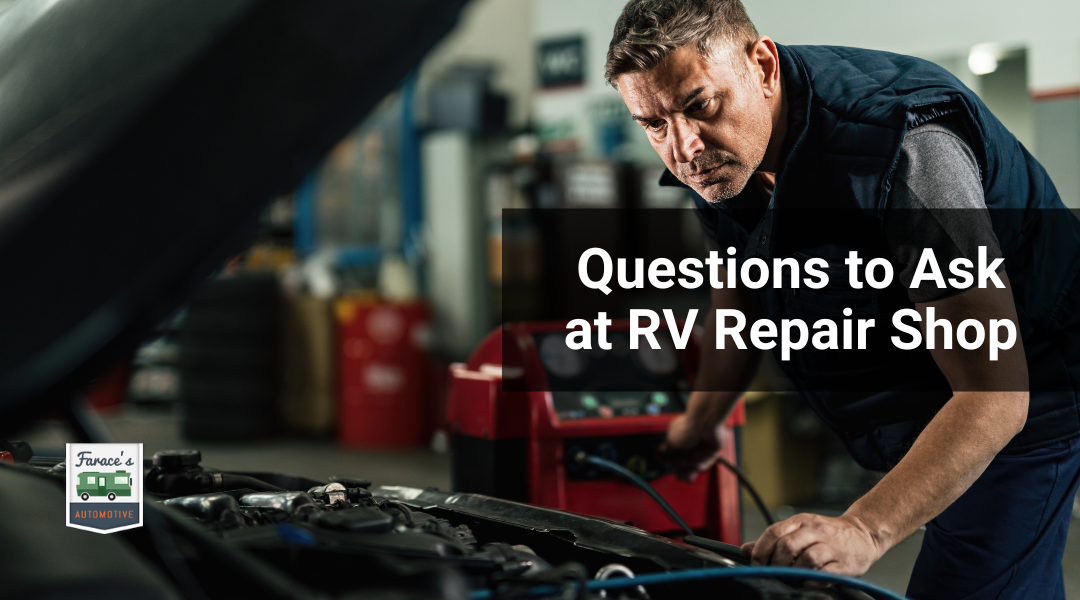
Choosing the right RV repair shop in Huntington Beach can save you time, stress, and money. With so many local options, it’s not easy to know which one delivers honest service and lasting results. You find the best RV repair shop by asking the right questions before trusting anyone with your motorhome.
Huntington Beach’s coastal environment brings unique challenges for RV owners—salt air, humidity, and high travel activity can wear down your vehicle faster than you expect. Knowing how local conditions affect repair standards helps you recognize shops that truly understand what your RV needs.
Shops like Farace’s Automotive & RV Center, a long-standing family business on Gothard Street, show how reputation, experience, and attention to detail separate dependable technicians from the rest. Learning what seven key questions reveal about a shop’s quality will give you confidence that your RV will stay road-ready for every trip.
Situations That Demand Deliberate Shop Choice
Choosing the right RV repair shop depends on what type of work your vehicle needs, what kind of RV you own, and whether insurance or a warranty is involved. Matching these factors with a qualified shop ensures that your RV gets proper repairs, follows required procedures, and maintains its long‑term value.
Routine Maintenance vs Structural or Collision Repairs
Routine RV maintenance includes oil changes, brake checks, and tire rotations. Most general repair shops can perform this work if they have proper lifts and diagnostic tools. However, you should still look for a shop that understands RV systems such as electrical, water, and propane. This helps prevent issues that basic auto mechanics might overlook.
For structural or collision repairs, you need a facility equipped for large‑scale projects and bodywork. RV collision repair can involve fiberglass, aluminum, or roof panel replacement. These jobs often require paint‑matching technology and frame‑straightening equipment. Ask if the shop has a paint booth large enough for your RV and if their technicians have experience handling exterior damage, water leaks, or interior rebuilds caused by impact or storm damage.
Choosing a shop capable of both routine care and complex structural work saves you time and ensures consistent quality.
RV Types Requiring Specialized Equipment or Expertise
Different RV designs call for specific skills and tools. For example:
| RV Type | Common Needs | Shop Capabilities to Look For |
|---|---|---|
| Class A Motorhome | Diesel engine service, suspension, large body repairs | Heavy‑duty lifts, diesel engine technicians |
| Class B Camper Van | Electrical systems, compact plumbing | Tight‑space access tools, wiring experience |
| Class C Motorhome | Cab‑chassis work, roof seam inspection | Mixed vehicle and RV body expertise |
| Travel Trailer / Fifth Wheel | Frame alignment, brake controllers | Towable trailer bays, hitch alignment tools |
You should verify whether a shop can handle your specific model and has properly rated equipment. Specialized tools reduce damage risk and improve repair accuracy. If you own a luxury or custom RV, confirm that the shop can source parts directly from the manufacturer or compatible suppliers.
When Insurance or Warranty Work Changes Requirements
If your repair involves an insurance claim or warranty coverage, your choice of shop may be limited or require extra documentation. Many insurers—such as Progressive, State Farm, and GEICO—have partnerships with approved repair facilities. These shops often streamline claims and guarantee workmanship under the policy’s terms.
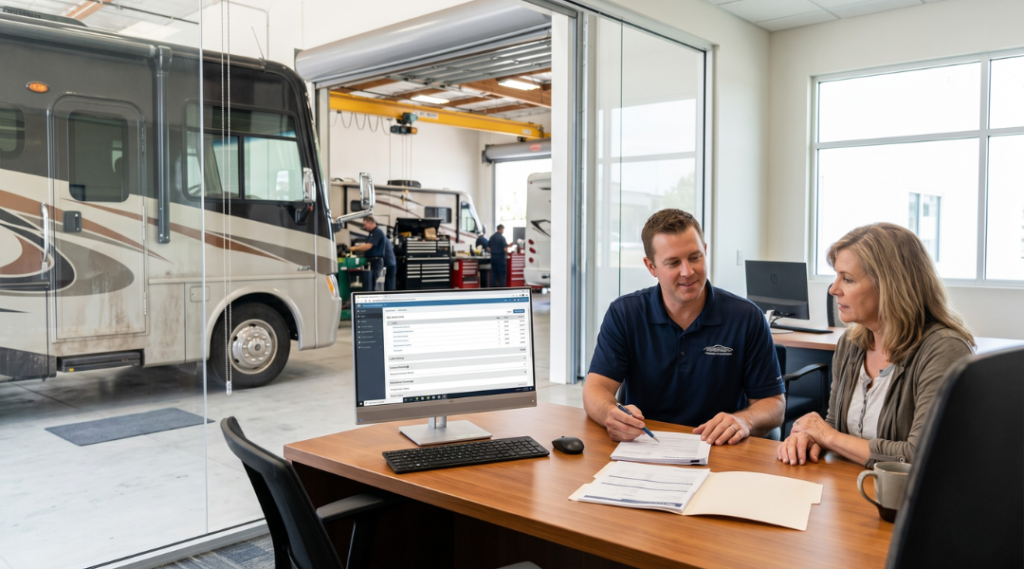
When dealing with warranty work, contact your RV manufacturer or dealer before scheduling service. Some warranties require repairs at authorized centers to stay valid. Keep detailed records and estimates, and confirm that the shop provides itemized invoices.
A good RV repair shop should assist with claim processing, communicate directly with adjusters, and supply clear estimates. Transparent communication and proper authorization prevent payment disputes and ensure that your RV returns to you in safe, reliable condition.
What Seven Key Questions Uncover About Shop Quality
Asking direct, well-informed questions reveals how a repair shop manages diagnostics, repairs, communication, and accountability. Shops that provide clear answers usually follow proven processes, use certified staff, and maintain quality controls that protect your RV’s safety and value.
How Do You Diagnose Issues Before Quoting Work
A good repair shop begins every job with a structured diagnostic process. You should ask how technicians identify problems before giving an estimate. Look for procedures that include electronic scans, visual RV inspections, and test drives when needed.
Accurate diagnostics prevent unnecessary work and help you understand what’s truly required. Ask whether the shop uses modern diagnostic tools compatible with RV engines, appliances, and electrical systems.
Shops that invest in clear explanations and written reports show transparency. If they skip detailed testing or quote without inspecting the vehicle, that’s a warning sign. Good diagnosis leads to fair pricing and reduces repeat visits caused by incomplete or incorrect repairs.
What Certifications and RV-Specific Experience Do You Have
RV systems differ from standard vehicles, so the technicians’ background matters. Ask whether staff hold ASE certifications or training from RV manufacturers and industry programs such as the RV Technical Institute.
Experience with electrical, plumbing, and chassis systems is essential. RV repairs can involve engine mechanics, cabinetry, and structural materials, so you want a shop familiar with all aspects.
Request examples of completed projects similar to yours. A shop with years of experience working on Class A, B, or C motorhomes can often detect problems faster and execute safer repairs. Certifications and verified training give you confidence that work meets accepted standards rather than guesswork or trial and error.
How Are Parts Sourced and Substitutions Handled
Replacement parts often make the difference between a quick fix and a lasting repair. Ask where the shop gets its parts—OEM (original equipment manufacturer) or reputable aftermarket suppliers.
Request details on how substitutions are approved. Some parts may no longer be made for older RV models, but quality shops document substitutions and explain why they’re safe alternatives. Poor sourcing can cause early failures or compatibility issues.
Good shops track parts by brand, lot, and order history. They may use supplier warranties to extend coverage for you. This level of documentation protects you from low-grade materials and supports future repair records or warranty claims.
What Is Your Process for Structural and Body Repairs
Bodywork on an RV involves more than paint. It can include roof sealing, sidewall panel replacement, or frame welding. A reliable shop should describe how it evaluates damage and verifies structural alignment before starting repairs.
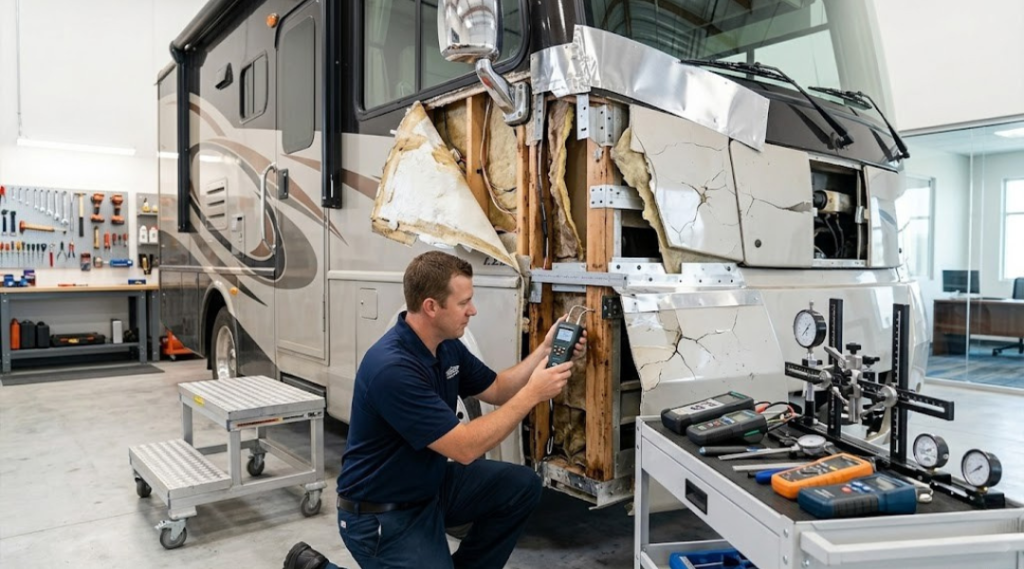
Ask about moisture testing and inspection procedures for roof leaks or water intrusion. Repairs that skip these steps often hide damage instead of correcting it.
A professional shop will photograph damage before and after repairs and should use manufacturer-recommended materials such as fiberglass, gel coat, or aluminum panels. They should also show how they control dust, humidity, and curing conditions to ensure strong results.
How Do You Handle Delays, Timelines, and Communication
Scheduling transparency is as important as repair quality. Ask who updates you about progress and how often. A clear timeline with estimated completion dates helps you plan around travel or storage needs.
Shops that outline communication policies—like weekly updates or same-day responses—show respect for your time. Find out how they handle delays caused by parts, weather, or staffing. Reliable shops contact you before major changes and explain why adjustments are needed.
Request all updates in writing or through email so you can track project changes. This record prevents confusion and helps clarify expectations if disputes arise about timing or costs later on.
What Warranty or Accountability Covers Completed Work
A written warranty defines how a shop stands behind its repairs. Ask what it covers—parts, labor, or both—and how long coverage lasts. A common benchmark is 12 months or 12,000 miles, though some RV-specific repairs may differ.
Ask if the warranty is transferable or honored at other locations. This is important if you travel frequently with your RV.
Shops that clearly explain warranty terms show they trust their workmanship. If coverage is vague or only verbal, that’s a warning. You should also ask how warranty claims are handled and if follow-up checks are offered after major repairs or structural work.
How Do You Document and Verify Completed Repairs
Proper documentation confirms what was actually done. Ask if the shop provides detailed repair reports, including replaced parts, labor hours, and photos. This evidence supports warranty claims, resale value, and insurance requirements.
A thorough shop performs final inspections and test drives to verify results. RV inspections at this stage should confirm that systems—electrical, plumbing, and safety devices—function properly before you pick up your vehicle.
Request copies of test results or checklist forms showing the technician’s sign-off. These records demonstrate accountability and professionalism. Documentation also helps you track maintenance history, ensuring your RV stays in good condition for future trips.
Huntington Beach Environmental Factors Influencing Repair Standards
In Huntington Beach, RV maintenance must account for constant exposure to sea air, shifting weather, and heavy local road use. These conditions influence the materials, coatings, and turnaround expectations for any trusted RV repair Huntington Beach shop.
Coastal Wear Factors and Material Selection
The coastal climate of Huntington Beach brings persistent humidity and airborne salt that can damage unprotected RV surfaces. You need durable materials designed to resist moisture and corrosion. Shops using marine-grade metals, UV-protected paint, and weather-resistant sealants help extend the life of your RV.
Local repair centers often evaluate the substrate compatibility—for example, aluminum panels require different treatments than fiberglass or steel. Choosing the right combination of protective coatings reduces oxidation and surface fading.
When comparing RV repair Huntington Beach providers, ask about the products they use. A well-prepared shop maintains a controlled environment for painting and drying, ensuring coatings cure evenly. Small steps like this keep the exterior finish stable, even after years of coastal exposure.
Salt Exposure Impact on Mechanical and Exterior Systems
Salt exposure affects more than paint—it can corrode brake lines, bolts, wiring, and undercarriage parts. Over time, these small areas of rust weaken systems that are critical to safety. During regular servicing, mechanics in RV repair shops near the coast often conduct salt damage inspections to locate hidden corrosion.
You should look for shops that use anti-corrosion treatments, such as zinc-rich primers and underbody sealants. Routine rinsing of the chassis and undercarriage with fresh water also helps slow buildup.
Even a short time parked near the beach can accelerate wear if grit and salt crystals remain on metal surfaces. A trained technician can recognize early warning signs, like discoloration or electrical resistance changes, before they lead to larger, costlier repairs.
Local Demand and Turnaround Time Pressures
Huntington Beach’s popularity with travelers and full-time RV users increases seasonal demand for repairs. High shop volume can stretch completion times, especially during summer months. You might face wait times that depend on parts availability and the number of claims tied to insurance repairs after accidents.
Efficient RV repair Huntington Beach facilities manage these pressures with clear scheduling, dedicated bays, and layered service teams. Many offer 10-step inspection and repair processes, keeping appointments predictable and customers informed.
When evaluating a shop, ask about average turnaround for mechanical, body, and paint work. Reliable facilities communicate updates regularly, helping you plan trips without extended downtime or unexpected delays.
Repair Realities at Farace’s Automotive & RV Center
When you visit Farace’s Automotive & RV Center in Huntington Beach, you deal directly with a veteran-family-owned team that has served RV owners since 1976. The shop focuses on practical repair solutions for motorhomes, travel trailers, and tow vehicles. You can expect consistent communication and owner oversight on each project to maintain quality standards.
The technicians perform all services on-site, which means no outsourcing or transfer between locations. This approach helps keep both the timeline and costs under better control for you. The staff also handles insurance and extended warranty work to simplify claim processing.
Key Service Areas include:
- Mechanical systems: tune-ups, brake repair, alignments
- Electrical and generator work
- Collision and exterior damage repair
- Interior upgrades and appliance replacement
- Trailer and fifth-wheel structural service
| Service Type | Example Work | Benefit |
|---|---|---|
| Mechanical | Brake, oil, suspension | Better safety and performance |
| Body & Paint | Fiberglass, roof, aluminum repair | Restored structure and appearance |
| Interior | Upholstery, cabinetry, flooring | Improved comfort and function |
| Electrical | Battery, wiring, outlets | Reliable power systems |
You’ll find that Farace’s combines long-term experience with transparent pricing—no hidden fees or add-ons. For many Huntington Beach RV owners, that consistency matters just as much as the repairs themselves.