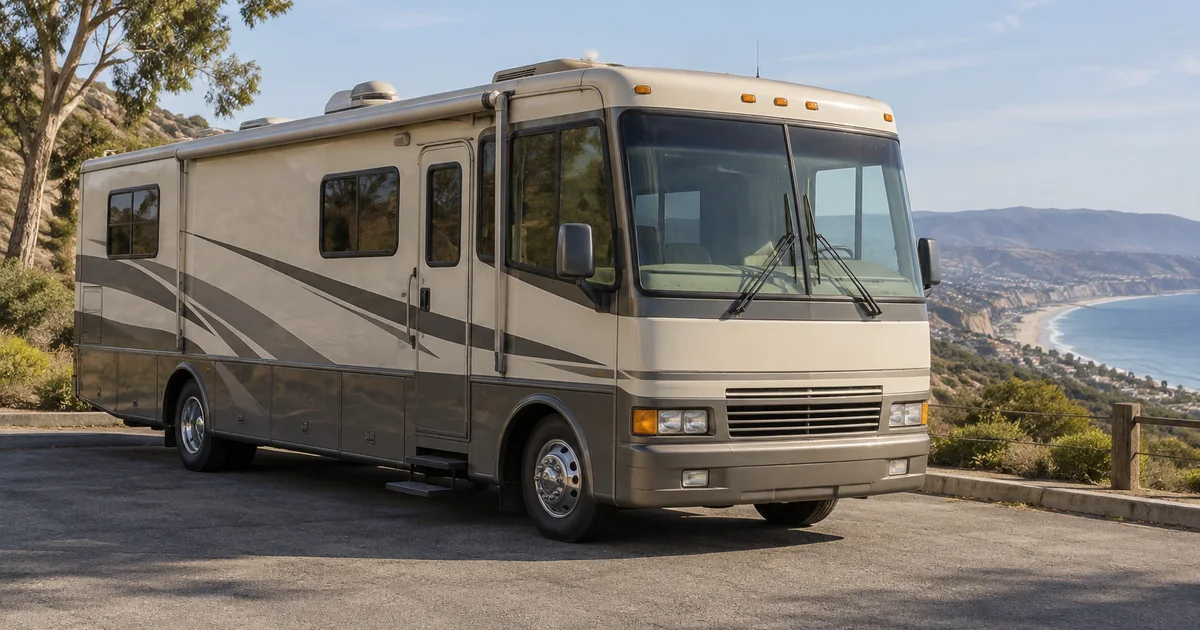
An independent RV shop may be able to service an older diesel motorhome, but the word “independent” and the coach’s age do not tell you whether it is a fit. The answer depends on the exact chassis, engine, requested work, shop capacity and any warranty or recall requirements. Before arranging transport, share the coach’s year, make and model, chassis and engine details, and symptoms. Then ask which work the shop handles in-house and what it refers elsewhere.
Start with the coach’s exact details
“Class A diesel pusher” is a useful description, but it may not identify the engine, chassis or equipment installed in a particular coach. Different model years and configurations can require different parts, diagnostic information and service procedures. A shop cannot confirm fit from “older diesel motorhome” alone.
Have these details ready when you call:
- Coach year, make and model
- Chassis manufacturer and model, if known
- Engine make and model, if known
- Transmission details, if available
- The symptom, when it occurs and whether a warning light or fault code appeared
- Recent service records, prior repairs and any warranty or service-contract paperwork
You do not need to diagnose the problem before calling. Describe what changed, what you observed and what work has already been tried. If you have diagnostic codes or records, keep them available. The shop can tell you what else it needs to decide whether it can inspect the coach.
Choose by the work, not the shop label
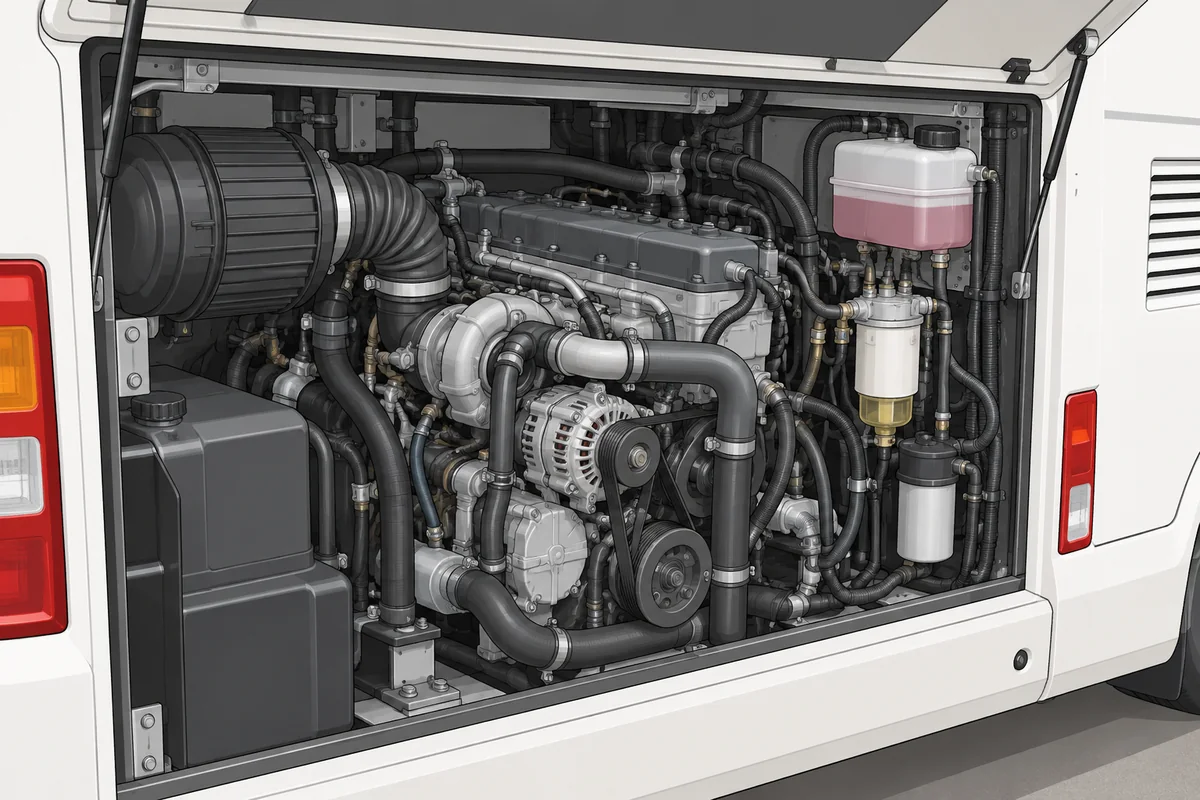
An RV specialty shop, a dealership service department and a heavy-duty diesel shop may each set different limits on the coaches and repairs they accept. The name on the building is not a guarantee of coverage for your particular engine, chassis or house systems. Ask about the specific job rather than assuming a shop type is automatically suitable.
Start with the system involved. If the concern is engine performance, ask who handles diesel diagnostics for that engine and chassis. If it involves brakes, steering or suspension, confirm that the shop accepts that chassis and the size of the coach. If the symptom could involve both the driving systems and the living-area systems, ask which side the shop can inspect and who would coordinate any outside work.
Ask direct questions:
- Do you accept this coach year, make, model and chassis?
- Which engine and chassis repairs do you perform at your facility?
- Which house systems can you inspect if the symptom crosses into the coach?
- Is any part of the work referred to another shop, and who coordinates it?
- Can your facility safely accommodate this coach’s dimensions?
If the shop refers part of a repair, that does not automatically make it the wrong choice. What matters is knowing who will do each part, who will explain the findings and how the work and approvals will be coordinated.
Ask how diagnosis and parts decisions work
An older coach may have incomplete service records, earlier repairs or components that are no longer easy to identify. That is a reason to explain the history, not to assume the shop will stock or source every part.
Ask how the shop confirms a fault before recommending a repair. For example: What information should you bring? Will the technician explain what was inspected and what remains uncertain? How will the shop contact you if further testing is needed? These questions help you understand the process without trying to direct the diagnosis yourself.
For parts, ask whether availability is checked before a repair is authorized and what options the shop will discuss if the original part is unavailable. Depending on the component, options might include an original replacement, an aftermarket part, a rebuilt component or another repair path. Do not assume every option is available or suitable. Ask how the shop will explain the choice, compatibility and any parts warranty before you approve it.
Get clear estimates and approval steps
Before work begins, ask what the written estimate will cover, how diagnostic charges are handled and how the shop will request approval if the scope changes. Ask what information or photos you will receive with the estimate and whether the shop will contact you before doing additional work.
If an insurance claim is involved, ask what documentation the insurer needs and when it should be submitted. Farace prepares insurance estimates, but an estimate is not a promise that an insurer will approve or pay for the repair. Confirm coverage and authorization directly with the insurer.
Keep copies of the estimate, your approval, any revised scope and the final invoice with the coach’s service records. A clear record makes it easier to understand what was inspected and what work was completed, especially when the coach has had more than one owner.
Check warranty, recall and maintenance requirements
Do not assume that all warranty coverage has ended because a motorhome is more than 10 years old. Coverage can depend on the coach, engine, component, mileage and contract terms. If a factory warranty, extended service contract or component plan might apply, read the specific terms and contact its provider before authorizing work. Ask whether the provider has requirements about diagnosis, parts or repair facilities.
If you are concerned about an open vehicle safety recall, ask the relevant coach or chassis manufacturer to check the vehicle identification number and confirm which company is responsible for the affected component. Engine and coach components may have separate manufacturers and records, so have the coach and component details ready.
Bring available maintenance records, including dates, mileage and invoices. If records are missing, say so rather than guessing when a service was last done. Maintenance schedules depend on the specific engine and coach guidance; age alone is not a service interval. Our diesel maintenance schedule explains how to start with the applicable manufacturer guidance.
Share how the coach has been used and stored
Tell the shop whether the coach spent long periods in storage, was kept near the coast, traveled on steep grades or developed a symptom after a particular trip. Those details can help describe the coach’s history, but they do not prove a specific failure or automatically change a maintenance interval.
If a warning light appeared, the coach overheated, lost power, leaked fluid or developed an electrical symptom, note when it happened and whether it returned. Do not keep driving a coach when you believe it may be unsafe. If you are unsure whether it can be driven to the shop, call first and describe what you observed so the shop can advise you on next steps.
When to call Farace about an older coach
Farace’s diesel service and repair page lists diesel motorhome repairs. It does not publish a model-year cutoff or a complete list of engine and chassis combinations, so confirm the fit for your specific coach before arranging a visit. Share the year, make, chassis, engine and symptom, and ask which work can be handled at the shop.
If you are comparing repair providers, our RV shop questions page covers general questions to ask. For a warning light or drivability concern, read about diesel engine diagnostics.
Frequently asked questions
Will an independent RV shop work on a 15-year-old diesel pusher?
It depends on the specific shop and the work required. Age alone does not confirm whether a shop accepts a particular chassis, engine or coach size. Call with the year, make, model, chassis and engine details, then ask which repairs the shop performs and which require a referral. Confirm the answer before arranging transport.
What details should I give the shop before booking?
Share the coach’s year, make and model, chassis and engine details if known, the symptom and when it occurs. Mention warning lights, diagnostic codes, recent repairs, available service records and any active warranty or service contract. You do not need to identify the cause yourself. The shop can tell you what additional information it needs.
Do I need to use a dealer for warranty or recall work?
Check the terms for the specific coach, engine or component before choosing a repairer. Warranty and service-contract requirements can differ, and a recall may be handled by the manufacturer responsible for the affected component. Verify the VIN or component information with the manufacturer or provider, then ask the shop whether it can perform the required work.
Can one shop handle both the drivetrain and living-area systems?
Some facilities offer more than one type of RV service, while others limit their work to particular systems. Ask which components the shop can inspect at its location, which tasks are performed by its own staff and what work is referred elsewhere. If the symptom may cross between chassis and house systems, ask who will coordinate the diagnosis and approvals.
If your coach is in Orange County and you are unsure whether Farace can take it, start with the coach details and the exact problem. Farace provides diesel service and repair for motorhomes; confirm the scope for your specific unit through the schedule a service visit page.